Explore Expert Nail Guides & Trends See What's Trending
Guide saved to your personal reading list
Nail Shapes

The Ultimate Guide to Acrylic Nail Shapes: Find Your Perfect Fit

From Coffin to Almond: Matching Architecture to Your Hand Anatomy

Elena Rostova Editor-in-Chief & Master Nail Educator 15 min read
Verified by Elena Rostova • Master Nail Educator
The Ultimate Guide to Acrylic Nail Shapes: Find Your Perfect Fit

Editor's Key Takeaway

"Discover the complete architectural guide to acrylic nail shapes: coffin, almond, stiletto, square, squoval, and oval. Which shape flatters your fingers best?"

1. The Master Shape Compendium: Coffin, Almond, Stiletto, Square & Oval

Choosing the correct acrylic nail shape is the single most influential aesthetic decision of your salon appointment. The silhouette dictates not only how long and elegant your hands appear in photographs, but also how durable your enhancements will be when handling daily life, typing, and fitness activities.

Here is the architectural breakdown of the five primary salon shapes:

  • 1. Coffin / Ballerina: Features long sidewalls that taper gracefully inward toward the free edge, terminating in a crisp, horizontal squared blunt tip. Glamorous and striking, coffin shapes highlight intricate nail art and ombré gradients.
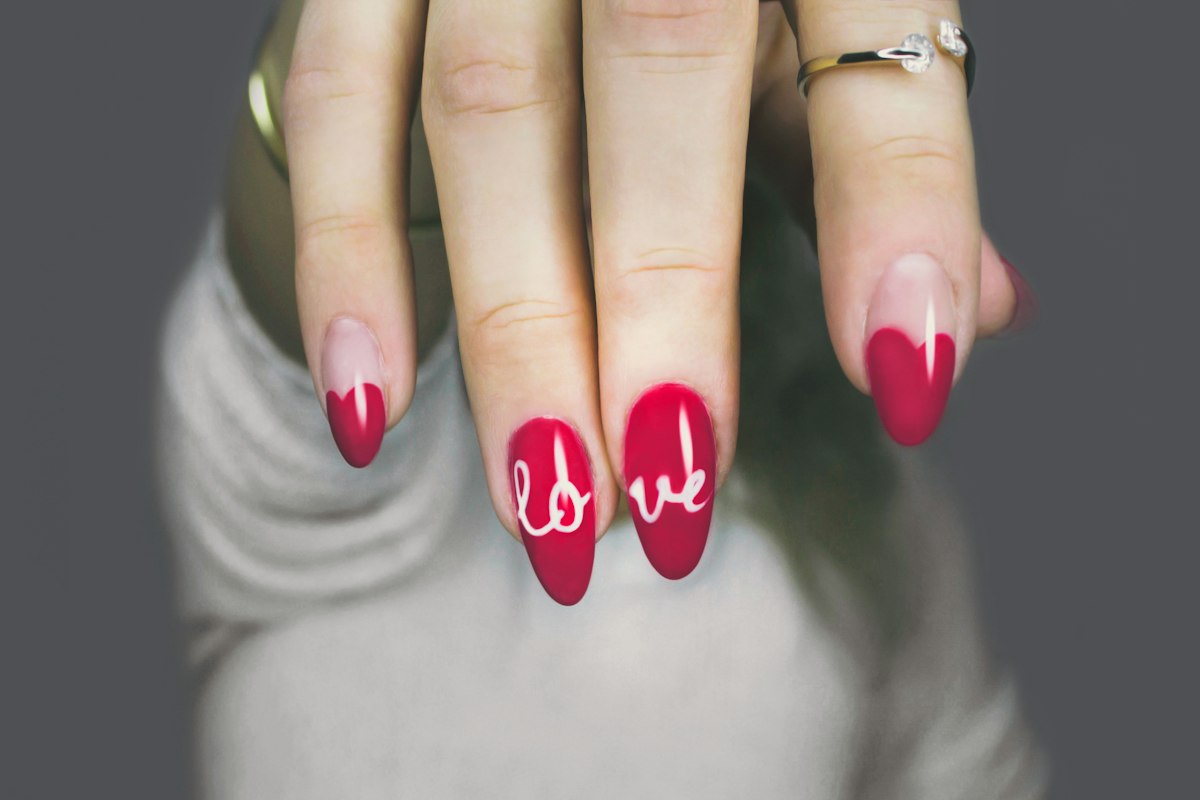
  • 2. Tapered Almond: Sidewalls taper inward from the stress points to form a soft, rounded point resembling an almond nut. The undisputed champion of hand-slenderizing geometry.
  • 3. Stiletto: The sidewalls angle sharply inward to form a razor-sharp, triangular needle point. Bold, fierce, and avant-garde, stilettos demand a well-sculpted apex to withstand mechanical shocks.
  • 4. Classic Square: Features completely straight, parallel sidewalls ending in a 90-degree flat horizontal edge. Clean, modern, and iconic, but sharp outer corners can catch on fabrics if not micro-beveled.
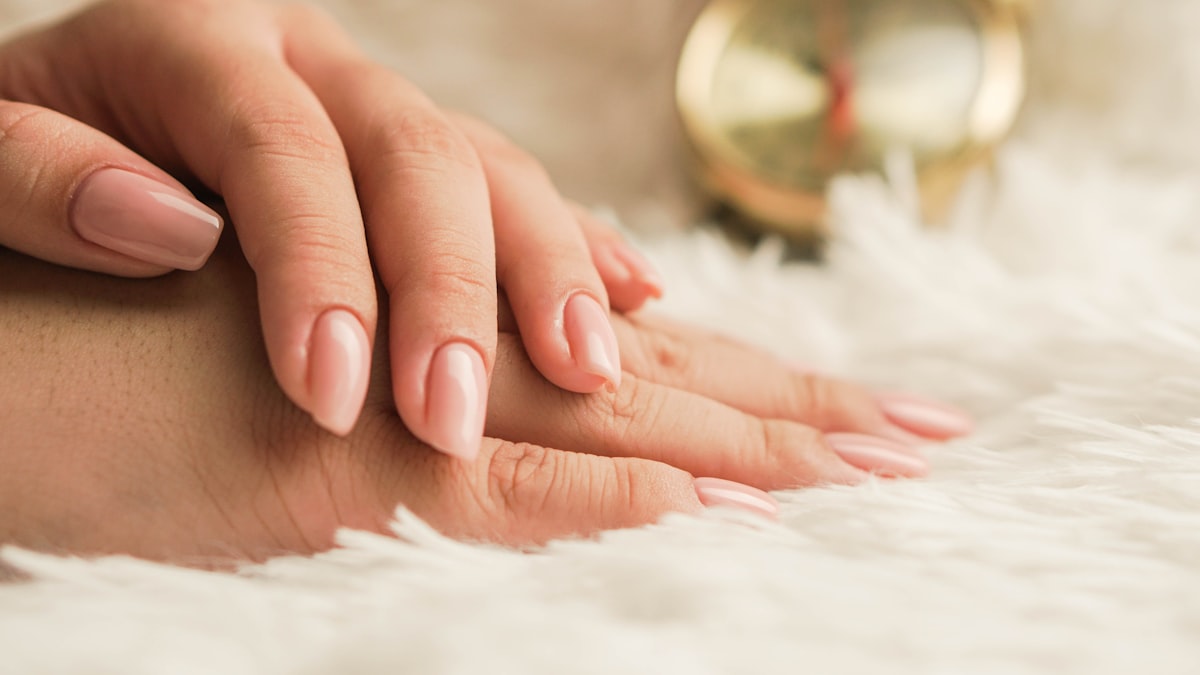
  • 5. Squoval: The ultimate hybrid of square and oval. Combines the straight, sturdy sidewalls of a square nail with softened, rounded corners that prevent snagging and chipping.
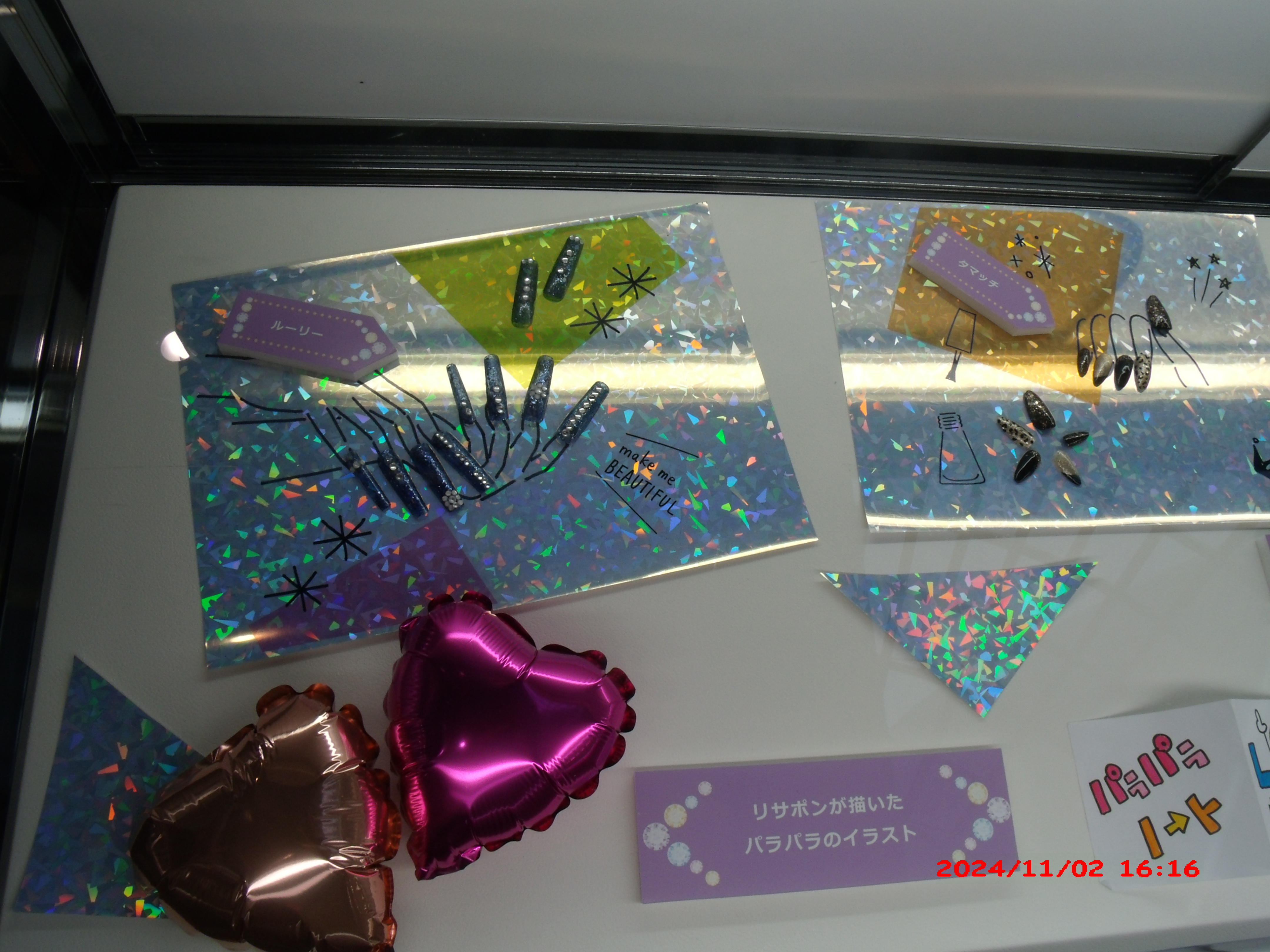
Interactive Anatomical Diagnostic

Interactive Nail Shape & Apex Visualizer

Select any shape below to inspect its stress points, lateral arches, and apex geometry.

Selected Profile:

Almond Silhouette

Tapers gently inward from lateral stress points toward a soft rounded peak. Universally slims wide fingers.

Structural Strength: 7.5 / 10
Apex Leverage: Medium
Best Lifestyle: Salon, Office, Social

2. Hand Anatomy Diagnostic: Matching Shapes to Finger Types

Not every nail shape flatters every hand type equally. To select your ideal silhouette, evaluate your biological finger length, cuticle curvature, and nail bed width:

Biological Hand Feature Best Recommended Shapes Shapes to Avoid Optical Rationale
Short, Wide Fingers Almond, Oval, Coffin Wide Square Tapered edges draw the eye vertically, slenderizing wide knuckles.
Long, Slender Fingers Square, Squoval, Coffin Extreme Needle Stiletto Square horizontal lines balance natural finger length without looking claw-like.
Flat / Fan-Shaped Beds Coffin, Almond (with C-curve) Flat Square Tapering draws wide flaring sidewalls inward into a controlled arch.

By matching your enhancement silhouette to your natural hand geometry, your manicures will look harmonious, elegant, and perfectly proportioned.

3. The C-Curve & Structural Apex Engineering

What separates an amateur, thick acrylic set from a master technician’s masterpiece is internal structural engineering. A professional acrylic enhancement relies on two invisible structural pillars:

  • The Structural Apex: When viewed from the side profile, the acrylic must have a smooth dome that rises gradually from the cuticle, reaches its highest peak over the natural nail stress zone (where the pink bed ends), and tapers down to a credit-card-thin free edge. This dome absorbs 90% of forward impact forces.
  • The 30%–40% C-Curve: Looking directly down the barrel of the nail tip, the acrylic should form a uniform concave arch. During the acrylic polymerization window (when the acrylic is leathery but not yet rock hard), the technician uses metal pinching tongs to pinch the sidewalls, creating a 35% C-curve. This curvature imparts enormous physical rigidity, allowing the nail to remain razor-thin without bending or snapping.

4. Master Technician Consultation Guide

To ensure your nail technician delivers the exact shape you envision without misunderstandings, communicate using professional salon terminology:

  1. Specify Millimeter Extension: Instead of saying "medium length," say "I would like 6 millimeters of free edge past my fingertip pad."
  2. Request Flush Cuticle Feathering: Ask your tech to "feather the acrylic whisper-thin around the eponychium" so there is no thick ridge as your natural nails grow out.
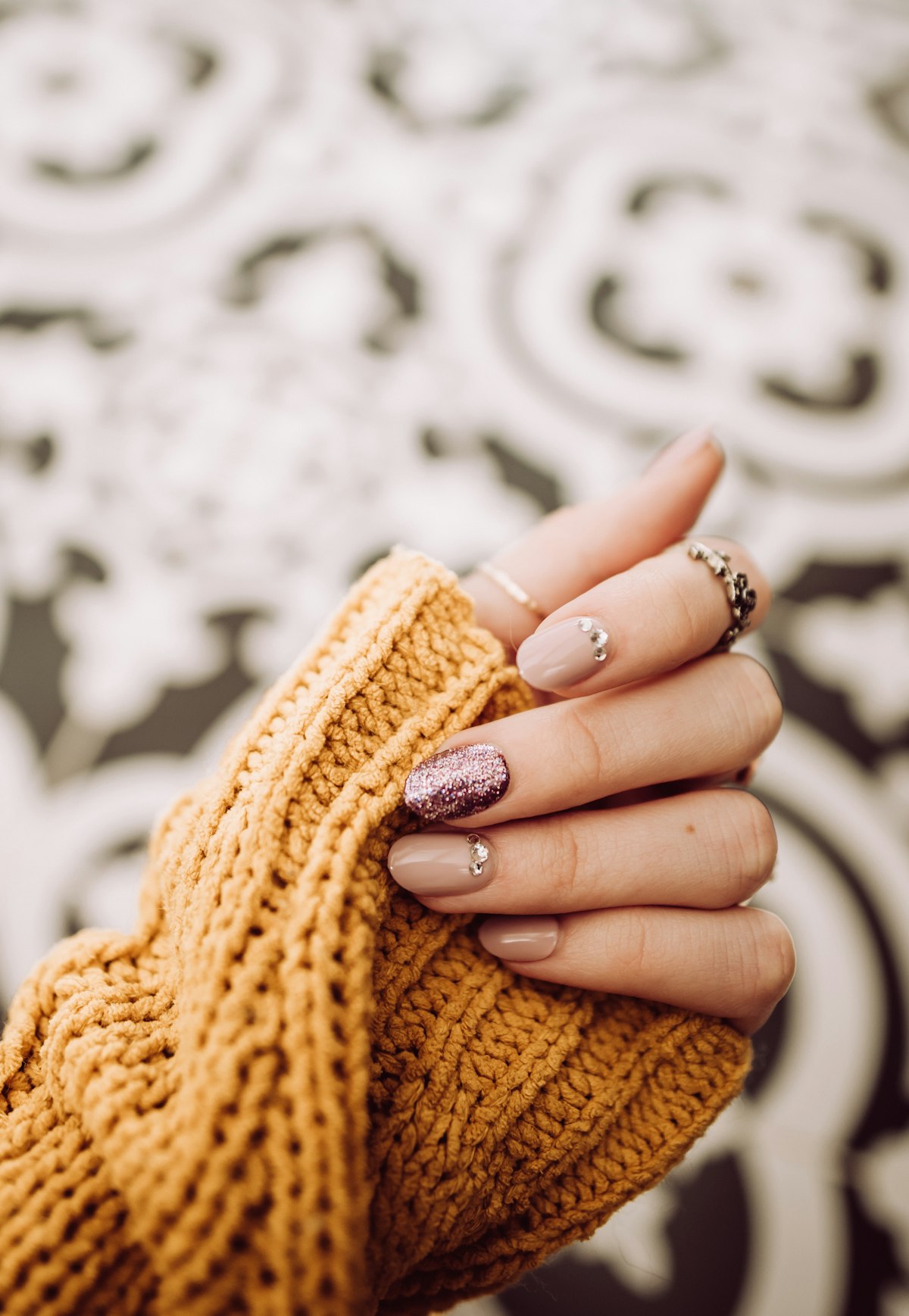
  3. Clarify Corner Softness: If getting square or coffin shapes, tell your artist: "Please micro-bevel the sharp corners so they won't catch on my knit clothing."
  4. Bring 2 Clear Reference Photos: Show one photo capturing the top-down shape and another showing the side-profile thickness and apex placement.

Frequently Asked Questions

Reader Q&A • Expert Insights

Frequently Asked Questions

Expert-verified answers to common questions about techniques, products, and safety.

What is the most durable acrylic nail shape?

Squoval and short oval are the most durable shapes. Because they lack sharp 90-degree corners or pointed needle tips, impact energy is distributed evenly across the curved dome, preventing corner chips.

What acrylic shape makes hands look skinnier?

Medium almond and tapered coffin shapes taper inward gracefully, creating a continuous optical line that slenders the fingers and elongates wide hand beds.

Can you change your acrylic shape during an infill?

Yes! A technician can easily reshape square or coffin acrylics into oval or almond during your regular 3-week infill appointment by filing down the lateral sidewalls.