How do you apply press-on nails so they don't pop off?
To make press-on nails last 2 to 3 weeks: gently buff the natural nail plate with a 240-grit buffer, dehydrate thoroughly with 99% isopropyl alcohol, apply cosmetic nail glue to BOTH your natural nail and the underside of the press-on tip, and press firmly at a 45-degree angle for 30 seconds to push out air pockets.
1. Why Short Press-Ons Are Dominating Modern Beauty
Over the past two years, the beauty landscape has experienced a dramatic shift toward short press-on nails. While ultra-long extensions once commanded attention on social media, beauty enthusiasts increasingly favor practical, salon-grade aesthetics that accommodate daily typing, fitness routines, and tactile careers.
In mechanical engineering, a shorter nail drastically reduces the lever arm. When you bump your hand or open a drawer, a short press-on transfers minimal shearing force into your delicate nail bed. Furthermore, modern press-ons are no longer made of brittle, cheap plastic; they are manufactured using injection-molded soft gel that mimics the natural C-curve of human keratin.
2. Precision Millimeter Sizing Chart
Nothing ruins a press-on manicure faster than improper sizing. An artificial tip that is too wide overlaps your lateral nail folds, causing painful pinching and premature lifting. An artificial tip that is too narrow creates constant inward tension, leading to painful throbbing and immediate pop-offs.
Refer to this universal millimeter sizing guide:
Universal Press-On Nail Sizing Chart
| Tip Size # | Width (mm) | Typical Natural Finger | Wide Nail Bed Match |
|---|---|---|---|
| Size 0 | 18.0 mm | Thumb (Large) | Thumb (Standard) |
| Size 1 | 16.0 mm | Thumb (Small / Medium) | Thumb / Large Index |
| Size 2 | 15.0 mm | Index / Middle (Wide) | Middle |
| Size 3 | 14.0 mm | Index / Middle (Standard) | Index / Ring |
| Size 4 | 13.0 mm | Index (Petite) / Ring | Ring |
| Size 5 | 12.0 mm | Ring (Standard) | Small Ring |
| Size 6 | 11.0 mm | Ring (Petite) | Pinky (Large) |
| Size 7 | 10.0 mm | Pinky (Large) | Pinky (Standard) |
| Size 8 | 9.0 mm | Pinky (Standard) | Pinky (Petite) |
| Size 9 | 8.0 mm | Pinky (Extra Petite) | Rare |
3. How to Measure Your Nails at Home (The Tape Method)
You do not need calipers to find your bespoke sizes. Follow this simple salon trick:
- Place Clear Tape: Press a piece of clear transparent Scotch tape horizontally across the widest apex of your bare natural nail.
- Mark the Sidewalls: Using a fine-point pen or ultra-fine marker, draw a precise vertical mark on each side where your nail meets the skin fold.
- Measure the Distance: Peel the tape off and stick it flat against a metric ruler. Count the millimeters between the lines.
- Record Each Finger: Write down the measurement for all 10 fingers (thumbs, index, middle, ring, pinky). Your left and right hands often have slightly different widths.
4. Adhesive Tabs vs. Liquid Nail Glue: The Real Difference
How you adhere your press-on nails depends on your lifestyle and desired duration:
- Adhesive Tabs (Glue-Free Wear • 2–5 Days): Double-sided sticky silicone tabs that provide instant grab with zero chemical odor. They leave no residue on the natural nail and cause zero keratin damage. They allow press-ons to be reused indefinitely. Perfect for weekend weddings, photo shoots, or professionals who cannot wear nails at work.
- Liquid Ethyl Cyanoacrylate Glue (Long Wear • 14–21 Days): A high-tensile cosmetic adhesive that bonds the artificial nail directly to your keratin plate. It withstands frequent hot water exposure, hand washing, and daily chores. Requires a dedicated soak-off to remove safely. For an in-depth breakdown of safe adhesives, read our guide on The Best Nail Glues & Chemical Safety.
5. The 3-Week Zero-Lifting Application Routine
Execute this salon-grade application to ensure your press-ons remain rock-solid for up to three weeks:
- Sanitize & Cleanse: Wash hands with antibacterial soap and dry thoroughly with a clean towel.
- Dry Cuticle Pushing: Gently push back your eponychium with an orangewood stick. Scrape away any dead pterygium skin cells.
- Surface De-Shining: Take a 240-grit buffer and lightly etch the natural nail surface. Etch the underside of the press-on nail where it touches your nail bed.
- Alcohol Dehydration: Wipe every nail with 99% pure isopropyl alcohol. Wait 30 seconds for all moisture to evaporate.
- The Dual-Glue Technique: Apply a drop of liquid glue to your natural nail, and spread a thin layer onto the well of the press-on nail.
- The 45-Degree Angle Press: Align the base of the press-on 1mm away from your cuticle line at a 45-degree angle. Slowly roll the nail down flat onto the bed. This pushes all trapped air bubbles forward and outward.
- Hold for 30 Seconds: Hold firm, continuous downward pressure for 30 full seconds per finger. Do not wiggle or shift the nail while the adhesive sets.
6. Pain-Free Warm Water & Oil Removal
Never pry or yank press-ons off! Tearing an artificial nail off violently pulls 20 to 30 layers of your dorsal keratin plate with it, leaving your natural nails thin, sore, and bendable.
Follow this gentle soak-off therapy:
- Fill a bowl with warm water, 2 tablespoons of gentle liquid dish soap, and 1 tablespoon of olive or jojoba oil.
- Immerse your fingertips for 15 minutes. The warm water and soap surfactants penetrate under the perimeter of the nail, softening the cyanoacrylate bonds.
- Gently rock the press-on from side to side with an orangewood stick. If there is resistance, soak for another 5 minutes. The nail will slide off painlessly.
7. How to Clean & Reuse Your Press-On Nails
One of the best benefits of press-on nails is sustainability. To reuse your favorite sets:
- After removal, wipe the top surface clean with an alcohol pad.
- Use the gentle barrel bit of an electric nail file (or a 180-grit hand buffer) to lightly buff away the dried glue residue from the underside of the false nail.
- Store the cleaned tips back in their original storage case so they retain their curved C-apex shape for your next manicure!
- If your natural nails need post-removal recovery, check out our clinical Nail Health & Recovery Therapy Guide.
Related In-Depth Articles & Tutorials
Expert-tested guides on nail health, salon techniques, and at-home manicure care.
The Ultimate Gel Nails Guide: Science, Application & Care
Our complete master resource on gel manicures, UV/LED curing chemistry, salon vs. DIY longevity, and natural plate preservation.
 DIY Tutorial
 How to Do Gel Nails at Home: Step-by-Step DIY Guide
Achieve salon-quality 3-week wear at home. Covers curing lamp wattages, prep protocols, and zero-lifting secrets.
 Trends & Sizing
 Short Press-On Nails: Sizing Chart & 3-Week Application
Universal millimeter sizing chart for wide and petite nail beds, adhesive tabs vs. glue, and reusable tips.
 Product Guide
 Best Nail Glue for Press-Ons: Chemical Safety & Hold
Why household super glue damages nail beds, cosmetic ethyl cyanoacrylate chemistry, and gentle soak-off removal.
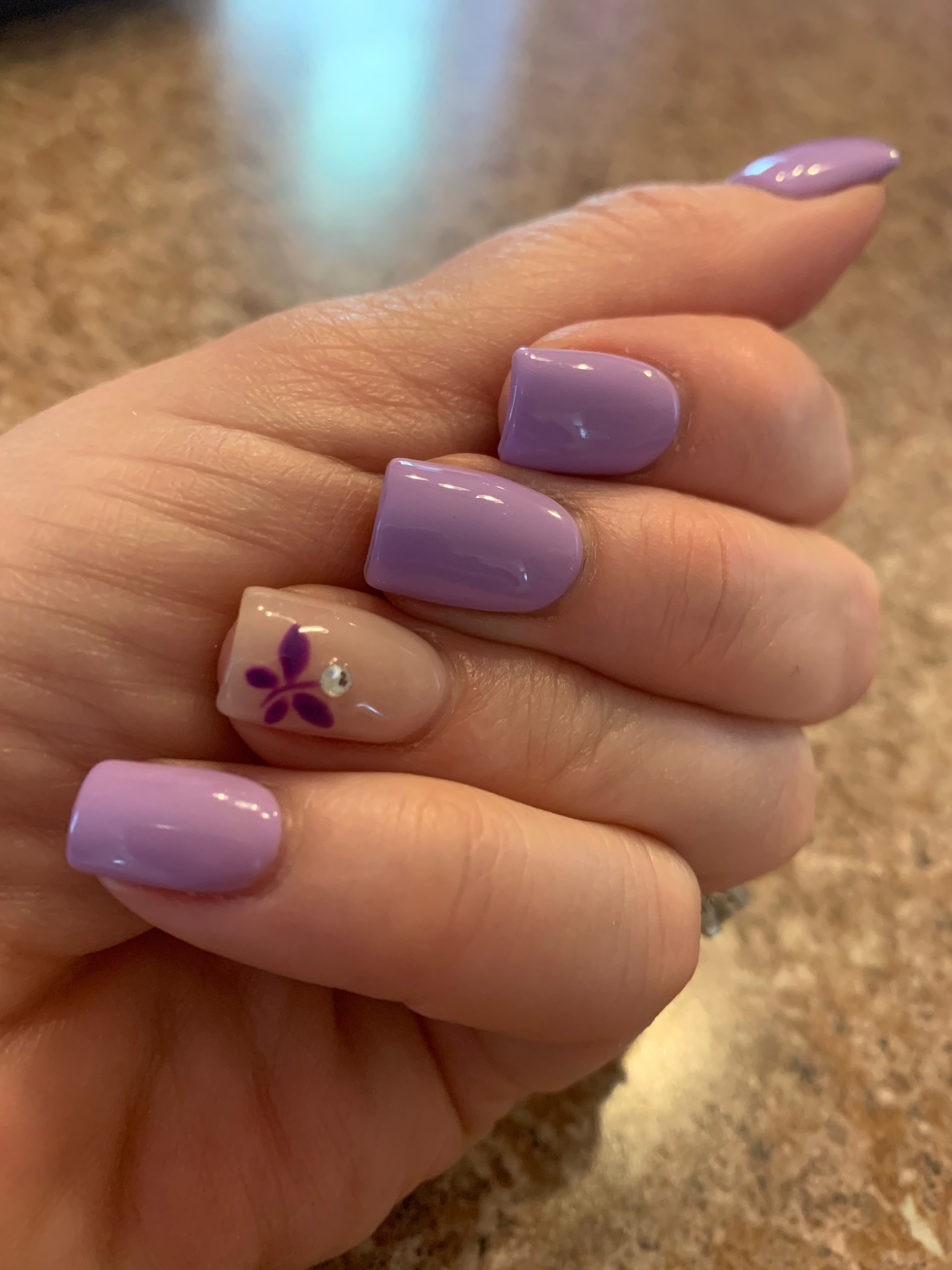 Comparison Guide
 Acrylic vs. Gel Nails: Longevity, Damage & Cost Comparison
Head-to-head breakdown of polymer powder vs. oligomer resins, durability ratings, flexibility, and nail plate health.
 Style Diagnostic
 The Complete Nail Shapes Guide: Geometry, Strength & Hands
Find the most flattering shape for your fingers: Oval, Short Coffin, Round, Almond, and Stiletto engineering.
 Care & Recovery
 Nail Health & Recovery Therapy: Grow Long Natural Nails
Dermatologist-reviewed 4-week protocol to heal damaged, bendable, or splitting nails after enhancements.
Frequently Asked Questions
Expert-verified answers to common questions about techniques, products, and safety.
How long do press-on nails realistically stay on?
With proper alcohol dehydration and professional ethyl cyanoacrylate glue, high-quality press-on nails stay firmly attached for 14 to 21 days. If applied using adhesive tabs (the glue-free method), they typically last 2 to 5 days, making them ideal for temporary weekend wear and easy reuse.
How do you measure your nails for press-ons at home?
Place a piece of clear transparent tape horizontally across the widest point of your bare nail bed. Use a fine-tip pen to draw a line on both sidewall edges. Peel off the tape, press it flat onto a ruler, and count the millimeters between the marks.
What should I do if a press-on nail falls between two sizes?
Always select the slightly larger size. You can effortlessly file down the lateral sidewalls using a 180-grit emery board to custom-fit your exact cuticle curvature. A nail that is too small pinches the nail bed and pops off within 24 hours.
Can press-on nails cause fungal infections?
Press-ons do not cause infections directly. However, if an artificial nail lifts slightly and is not removed, water and bacteria can get trapped in the microscopic gap (known as 'greenies' or Pseudomonas bacterial staining). Always remove lifting nails immediately and dehydrate with alcohol.